
Sunscreen Blinds
Custom sunscreen blinds in Dubai designed for homes, offices, towers, and retail spaces that need daylight without glare, heat, or lost views.
Buy Sunscreen Blinds in Dubai
Dubai’s floor-to-ceiling glass and open-plan layouts let in more sunlight than most window treatments are built to handle. Heavy curtains block the view entirely. Standard roller blinds cut light but trap heat near the glass. Sunscreen blinds filter solar glare while keeping outside views intact.
Each blind is made using woven solar fabric rated by openness factor – a precise measurement of how much light, heat, and UV passes through the weave. Lower openness percentages block more sun. Higher openness percentages preserve more outward visibility. We match the correct rating to each room’s sun exposure.
We install sunscreen blinds with aluminium bottom rails, clutch-driven side chains, and bracket systems that hold tension evenly across the full fabric width and prevent sagging, edge gaps, and uneven rolling after months of daily use.
Book a Free Visit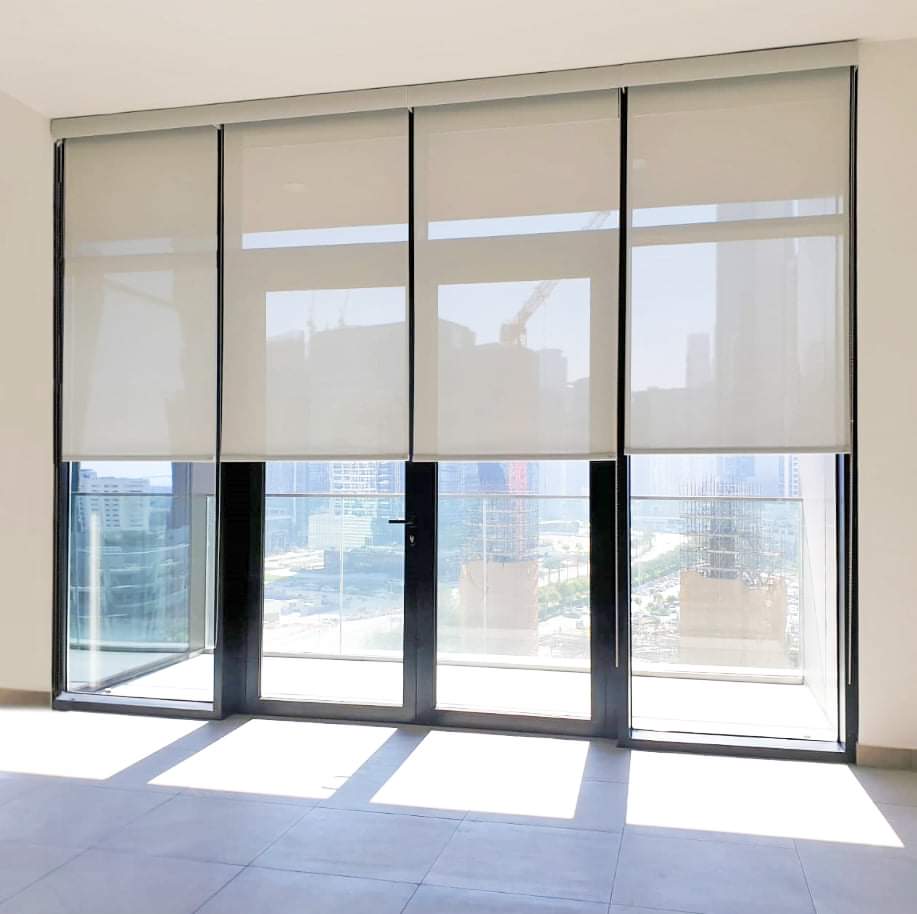
What Makes Sunscreen Blinds Different
Unlike blackout or dim-out fabrics, sunscreen blinds are engineered specifically to intercept solar radiation without cutting off daylight or turning your window into a wall.
Solar Glare Reduction
Woven solar fabric absorbs and scatters direct sunlight before it hits your floor, desk, or sofa without dimming the room.
Better Outside View
Due to open weave, glazed facades and landscape-facing windows work as architectural features even when the blind is fully closed.
UV Interception
Sunscreen fabrics block from 70% to 99% of UV radiation depending on openness factor, protecting flooring, furniture, and artwork.
Works in Any Interior Style
Neutral mesh tones, fabric weave, and minimal hardware suit minimalist apartments, corporate offices, hotel lobbies, and Arabic-style villas.
Reduces Cooling Load
By intercepting solar heat at the glass line before it enters the room, sunscreen blinds reduce the thermal load of your air conditioning unit.
Sized for Complex Glazing
Wide-width solar fabrics are precision-cut for panoramic windows, full-height glass partitions, angled bay windows, and irregular openings.
Types of Sunscreen Blinds
1% Openness Sunscreen Blinds
One percent openness sunscreen blinds provide maximum glare reduction while preserving an outside view. These blinds are ideal for south-facing rooms, filtering intense sunlight and protecting furniture and flooring from UV damage.
5% Openness Sunscreen Blinds
Five percent openness sunscreen blinds strike a perfect balance between natural light and privacy. They reduce glare considerably while maintaining an airy atmosphere, making them a versatile solution for living rooms and home offices.
10% Openness Sunscreen Blinds
Ten percent openness sunscreen blinds allow generous natural light into rooms while still offering moderate UV protection. Best suited for north-facing windows, they create a light, open feeling without sacrificing daytime privacy for occupants.
Benefits of Sunscreen Blinds in Dubai
Dubai's combination of year-round direct sun, glass-heavy architecture, and cooled interiors creates specific demands that sunscreen blinds are built to address more precisely than any other window treatment.
Solar Heat Blocked Before It Enters
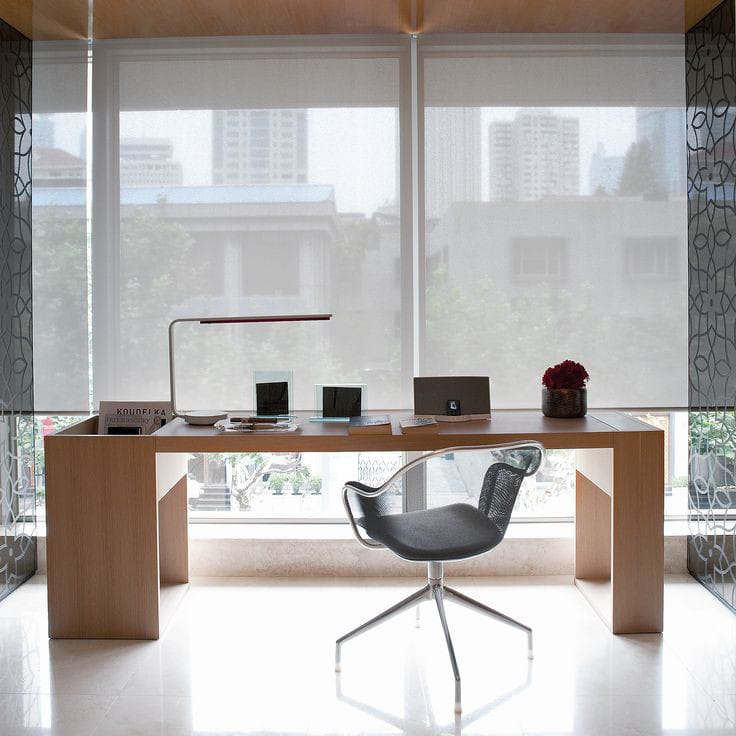
Sunscreen blinds intercept infrared radiation at the window surface. It stops the room from warming up at the glass line, where heat transfer happens in air-conditioned spaces.
Daylight Without the Harshness
Dubai's midday sun is intense enough to wash out screens, cause eye strain, and create harsh shadows. Sunscreen fabric diffuses this into workable, comfortable daylight.
Stable Performance in AC Rooms
Solar fabric does not react to dry air, frequent thermal cycling, or the temperature differential between cold interior air and hot window glass that cause most of the damage.
How to Choose the Right Sunscreen Blinds
Selecting sunscreen blinds requires matching the fabric's openness factor, color, and fabric weight to the window's orientation, privacy requirements, and interior function.
Match Openness Factor to Sun Exposure
South- and west-facing windows receive the most afternoon sun. A 1% to 3% openness factor is good for these windows, and 5% to 10% is best for North-facing or shaded windows.
Choose Fabric Color for Heat Performance
Darker fabric colors absorb more solar heat but offer better outward visibility. Light-colored and beige fabrics reflect more heat and work well for rooms that need more warmth.
Select Fabric Weight by Window Size
Lightweight solar fabrics work well on smaller windows up to 2 meters wide. Heavier fabrics are needed for large-span glazing above 3 meters to prevent fabric billowing &sagging.
Decide on Manual or Motorized Operation
Manual chain-operated systems suit single windows and smaller openings. Motorized sunscreen blinds are the practical choice for high windows in towers, grouped installations.
Consider Cassette or Open-Roll Headrail
An enclosed cassette headrail protects the rolled fabric from dust accumulation, relevant in Dubai where fine sand settles into open mechanisms and causes uneven rolling.
Confirm Privacy at Night
Sunscreen fabric provides excellent outward visibility during daylight. At night, when interior lighting is stronger than exterior light, the fabric becomes semi-transparent from outside.
Sunscreen Blind Installation & Customization
We measure, specify, and install sunscreen blinds built for reliable daily operation across Dubai apartments, villas, offices, and commercial interiors.
Consultation
Assess window needs, sun angle, privacy, and use.
Measurement
Evaluate width, drop, recess depth, and bracket clearance.
Customization
Select openness factor, color, headrail type, and mechanism.
Installation
Fix brackets, mount roller tube, tension fabric, and test operation.
Maintenance
Client receives operating instructions and fabric care guidance.
Flexible Scheduling Available
Schedule a site visit for custom sunscreen blinds across your Dubai home, office tower, or commercial property.
Cost & Value of Sunscreen Blinds
Sunscreen blind pricing depends on fabric openness rating, fabric width and drop, headrail type, and whether motorization is included. Contact us for a precise quote based on your window specifications.
-
No Hidden Charges
Clear pricing covering fabric, hardware, and installation.
-
Lower Cooling Costs
Solar heat interception reduces daily AC runtime.
-
Fade Protection Included
UV-blocking preserves flooring, upholstery, and furniture.
-
Clean, Permanent Look
Structured format suits residential & commercial interiors.
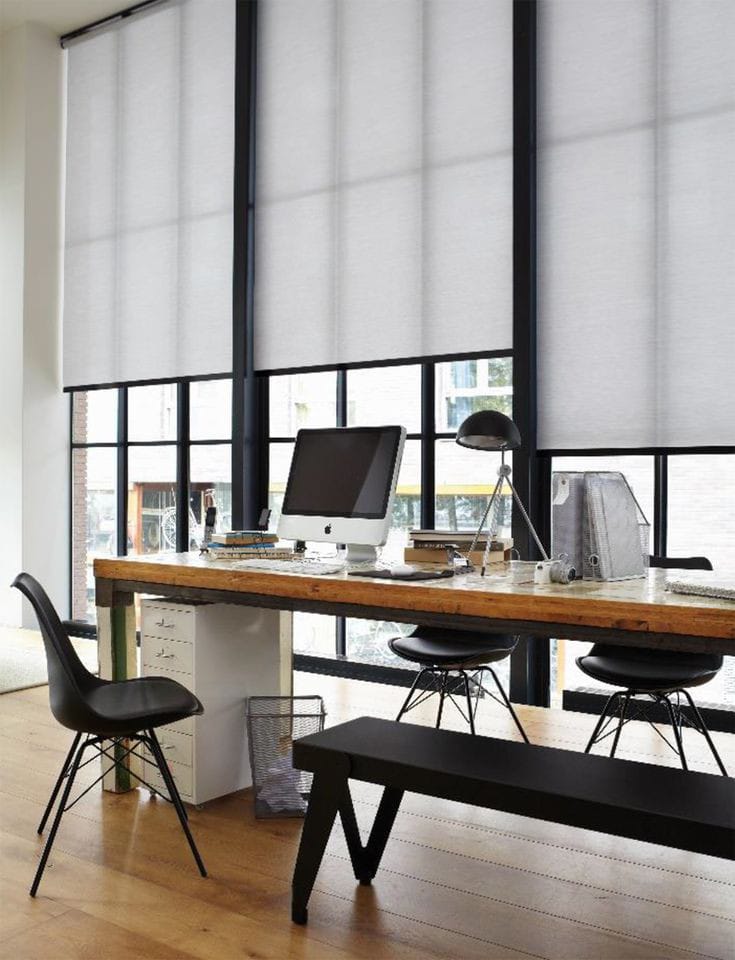
Block Solar Glare without Losing Your View with Sunscreen Blinds
Stop choosing between natural light and comfort. Sunscreen blinds are engineered to handle Dubai's direct sun intensity, glass-heavy architecture, and cooled interior requirements without blocking views, dimming rooms, or adding visual clutter to your windows.
500+
Projects Completed15+
Years Experience100%
Satisfaction RateFrequently Asked Questions
A 1% to 3% openness factor handles intense afternoon sun on west-facing glass without overheating the room or washing out screens. For views that matter, 3% balances heat reduction with outward visibility better than tighter weaves.
Yes. By blocking solar heat at the glass before it enters the room, sunscreen blinds reduce the thermal load your AC compensates for. Rooms with south- or west-facing glazing typically see a measurable drop in cooling runtime during summer months.
At night, when interior lights are on, sunscreen fabric becomes semi-transparent from the outside. This is a physics limitation of the open weave, not a product defect. Pairing with a secondary sheer or blackout blind resolves evening privacy concerns completely.
Yes. Low-openness solar fabrics reduce glare on screens, control heat near glass partitions, and maintain visual connection between spaces, making them a practical specification for open-plan offices and glazed meeting rooms throughout Dubai.
Roll the blind fully down and wipe the fabric surface with a dry microfiber cloth from top to bottom. For heavier dust buildup, a lightly damp cloth works without damaging the weave. Avoid scrubbing, as it distorts the woven structure and affects the openness rating.