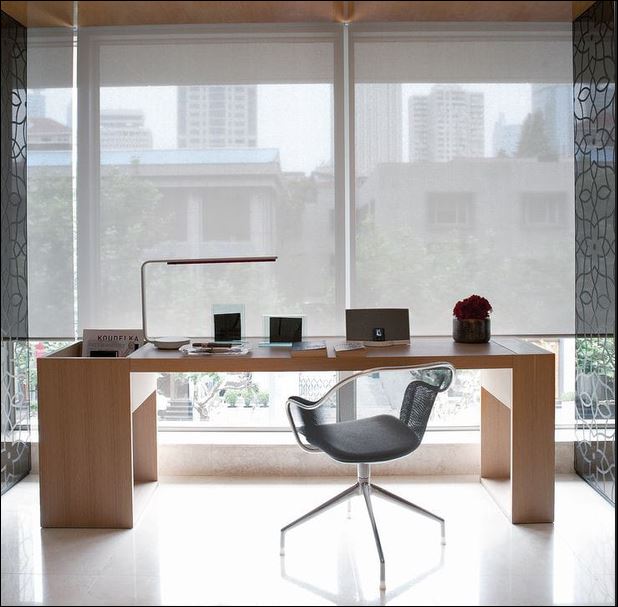
How Sunscreen Blinds Help Create Comfortable and Stylish Indoor Spaces

Managing sunlight inside homes and commercial properties is important for maintaining comfort and protecting interior furnishings. Large windows allow natural light to brighten rooms, but excessive sunlight can cause glare, increase indoor heat, and affect furniture and flooring over time. Choosing suitable window coverings can help address these challenges without making interiors feel dark or closed. Sunscreen Blinds Dubai offer a practical solution by filtering sunlight while maintaining natural brightness and outdoor visibility.

What Are Sunscreen Blinds?

Sunscreen blinds are specialised window coverings made from woven solar fabrics designed to reduce direct sunlight and solar glare. Unlike traditional blackout curtains, these blinds allow filtered daylight to enter while helping reduce the amount of solar radiation passing through windows.

Their distinctive woven structure provides a balance between light control and outside visibility. This makes them suitable for apartments, villas, office buildings, hotels, and commercial properties with large glass windows.

Key Benefits of Installing Sunscreen Blinds

Choosing the right window treatment can improve both the appearance and functionality of indoor spaces. Sunscreen blinds offer several useful advantages.

1. Reduce Sunlight and Glare

Strong sunlight can create uncomfortable glare on televisions, computer screens, and other reflective surfaces. Sunscreen blinds filter incoming sunlight, making rooms more comfortable for working, relaxing, and everyday activities.

2. Maintain Outdoor Views

One of the main advantages of sunscreen blinds is their ability to preserve outside visibility during daylight. Their woven fabric reduces harsh sunlight without completely covering the view, making them suitable for properties with attractive outdoor surroundings.

3. Help Protect Furniture from UV Exposure

Continuous exposure to ultraviolet radiation can contribute to fading in carpets, upholstery, wooden flooring, and decorative furnishings. Quality sunscreen fabrics can block a significant percentage of UV radiation, helping protect interior materials from sun damage.

4. Support Indoor Temperature Management

Direct sunlight entering through glass windows can increase indoor temperatures and place additional demand on air conditioning systems. Sunscreen blinds help intercept solar heat near the window, supporting a more comfortable indoor environment.

5. Complement Different Interior Styles

Sunscreen blinds feature simple designs and attractive fabric finishes that work well with contemporary and traditional interiors. Neutral colours and minimal hardware make them suitable for living rooms, bedrooms, meeting rooms, and commercial spaces.

Different Types of Sunscreen Blinds

Sunscreen blinds are available with different fabric openness factors. The openness factor indicates the proportion of the fabric weave that allows light and visibility to pass through.

1% Openness Blinds: These fabrics provide stronger sunlight and glare reduction while maintaining limited outward visibility. They are suitable for windows exposed to intense direct sunlight.

5% Openness Blinds: These offer a practical balance between daylight, outdoor visibility, and glare control. They are popular for living rooms, home offices, and general residential spaces.

10% Openness Blinds: These allow more natural light and clearer outdoor visibility while still providing moderate solar protection. They are suitable for shaded windows and spaces where maintaining brightness is important.

Selecting the right openness factor depends on window direction, sunlight exposure, privacy requirements, and room usage.

Where Can You Install Sunscreen Blinds?

Sunscreen blinds are versatile window treatments that can be installed in different residential and commercial environments.

  • Living Rooms: Help manage sunlight while maintaining an open and welcoming atmosphere.

  • Bedrooms: Provide daytime glare control and complement other window coverings.

  • Office Spaces: Reduce screen glare and support a more comfortable working environment.

  • Meeting Rooms: Help control sunlight through glass partitions while maintaining a professional appearance.

  • Hotels and Commercial Properties: Offer practical window covering solutions for large windows and modern interiors.

How to Choose the Right Sunscreen Blinds

Before selecting sunscreen blinds, consider several factors to ensure that the chosen fabric and operating system meet your requirements.

Window Direction: South- and west-facing windows often receive stronger sunlight, so fabrics with lower openness factors may be more suitable.

Fabric Colour: Darker fabrics generally provide better outward visibility, while lighter shades can reflect more incoming solar energy.

Window Size: Large windows may require stronger fabric specifications and suitable roller mechanisms to maintain proper tension and smooth operation.

Operating System: Manual chain-operated blinds are suitable for standard windows, while motorized systems offer convenient control for larger or difficult-to-reach windows.

Privacy Requirements: Sunscreen blinds provide daytime privacy in many settings, but they may become transparent from outside at night when interior lighting is switched on. Additional blackout or privacy curtains may be needed.

Why Professional Measurement and Installation Matter

Proper measurements and installation are essential for achieving a neat finish and reliable operation. Incorrectly fitted blinds may develop uneven edges, sagging fabric, or gaps that allow unwanted sunlight to enter.

Professional installation involves checking window dimensions, recess depth, bracket positions, fabric specifications, and operating mechanisms. For wider windows and floor-to-ceiling glass panels, selecting suitable hardware is particularly important.

DUBAI CURTAINS provides consultation, custom measurements, fabric selection, and installation support to help customers choose sunscreen blinds that suit their windows and interior requirements.

Why Choose DUBAI CURTAINS for Sunscreen Blinds?

DUBAI CURTAINS offers customised sunscreen blind solutions for residential and commercial properties across Dubai. Customers can choose from different fabric openness factors, colours, operating mechanisms, and installation options according to their preferences.

The company focuses on providing suitable window treatments for apartments, villas, offices, and properties with large glass windows. From the initial consultation to final installation, attention to measurements, fabric selection, and fitting helps achieve a clean and functional result.

Conclusion

Sunscreen blinds are an effective option for managing sunlight, reducing glare, maintaining outdoor views, and supporting indoor comfort. Their practical design makes them suitable for modern homes, offices, hotels, and commercial properties.

If you are looking for quality Sunscreen Blinds Dubai, DUBAI CURTAINS can help you select suitable fabrics and customised window covering solutions. Contact the team on 971527843396 or visit https://dubai-curtain.ae/projects/sunscreen-blinds/ for more information.

Why Zebra Blinds Are a Smart Choice for Modern Homes and Offices

Choosing the right window coverings can make a significant difference to the appearance and comfort of any interior. Windows bring natural light into a room, but excessive sunlight can create glare, affect privacy, and increase indoor temperatures. Modern window treatments offer practical ways to manage these challenges while complementing interior decoration. Zebra Blinds Dubai are becoming a popular choice for homeowners and businesses looking for flexible light control and contemporary window designs.

What Are Zebra Blinds?

Zebra blinds are modern roller window coverings made with two layers of fabric featuring alternating transparent and opaque horizontal bands. These layers move across each other to adjust the amount of natural light entering a room.

When the transparent sections align, more daylight can pass through the fabric. When the opaque sections overlap the transparent areas, the blinds provide greater privacy and reduce incoming sunlight.

This adjustable design makes zebra blinds different from traditional roller blinds, offering greater flexibility without requiring a separate curtain or window covering.

Benefits of Installing Zebra Blinds in Dubai

Zebra blinds combine attractive styling with practical features that suit residential and commercial properties.

1. Flexible Light Control

One of the main advantages of zebra blinds is their adjustable fabric arrangement. Users can control the amount of daylight entering a room by changing the alignment of the sheer and opaque bands. This makes them suitable for spaces where lighting requirements change throughout the day.

2. Improved Daytime Privacy

The alternating fabric layers help manage visibility from outside while allowing natural light into the room. By adjusting the fabric bands, homeowners can find a suitable balance between privacy and brightness.

3. Modern Interior Appearance

Zebra blinds feature clean horizontal lines that complement contemporary interior designs. Their structured appearance works well with modern furniture, neutral colour schemes, and minimalist decoration.

4. Reduced Glare

Direct sunlight can make television screens, computers, and other displays difficult to view. Zebra blinds help soften incoming sunlight and reduce glare, making living rooms, offices, and meeting areas more comfortable.

5. Convenient Operation

Zebra blinds are available with manual and motorized operating systems. Manual options provide straightforward everyday use, while motorized blinds allow users to adjust the fabric using a remote control or compatible smart system.

Different Zebra Blind Options for Your Property

Selecting suitable zebra blinds depends on your room requirements, window dimensions, and preferred level of light control.

Light-Filtering Zebra Blinds: These blinds allow soft daylight to enter while reducing harsh brightness. They are suitable for living rooms, dining areas, and spaces where natural lighting is preferred.

Privacy-Focused Zebra Blinds: Options with denser opaque fabric bands provide greater coverage when privacy is important. They are suitable for bedrooms, apartments, and ground-floor windows.

Blackout Zebra Blinds: These options use stronger light-blocking fabric to reduce incoming sunlight. They can be considered for bedrooms and entertainment rooms where darker conditions are preferred.

Motorized Zebra Blinds: Motorized systems offer convenient operation, especially for large windows, multiple blinds, and hard-to-reach installations.

Where Can You Install Zebra Blinds?

Zebra blinds are versatile window coverings suitable for different types of interiors.

  • Living Rooms: Their modern appearance complements furniture while providing adjustable daylight control.
  • Bedrooms: They offer flexible privacy and light management for everyday comfort.
  • Home Offices: They help reduce glare on computer screens and maintain a comfortable working environment.
  • Commercial Offices: Their neat appearance makes them suitable for meeting rooms, workstations, and executive spaces.
  • Apartments and Villas: Custom-sized zebra blinds can accommodate different window dimensions and interior styles.
  • Hotels and Showrooms: Their contemporary design provides practical window coverage for hospitality and commercial environments.

How to Choose the Right Zebra Blinds

Before purchasing zebra blinds, consider a few important factors to ensure the selected product meets your expectations.

Fabric Quality

Choose durable fabric that maintains its appearance with regular operation. The fabric should also suit the lighting and privacy requirements of the room.

Colour Selection

Neutral shades such as white, beige, grey, and cream complement many interior designs. Darker colours can create a stronger visual contrast and may offer better outward visibility during daylight.

Window Measurements

Accurate measurements are essential for proper coverage and smooth operation. Consider the window frame, available installation space, and whether the blinds will be mounted inside or outside the window recess.

Manual or Motorized Operation

Manual blinds are suitable for standard windows, while motorized options provide additional convenience for larger installations. Consider the operating method that best suits your daily requirements.

Interior Coordination

Choose fabric colours and horizontal patterns that complement your walls, furniture, flooring, and overall decoration.

Why Professional Measurement and Installation Matter

Correct installation plays an important role in the appearance and performance of zebra blinds. Incorrect measurements can result in uneven fabric alignment, unwanted gaps, or difficulty operating the roller mechanism.

Professional installation involves checking window dimensions, selecting appropriate brackets, positioning the roller system, and ensuring that both fabric layers move correctly.

For large windows and commercial installations, suitable hardware and accurate alignment are particularly important. Proper fitting helps maintain consistent operation and a clean appearance.

Why Choose DUBAI CURTAINS for Zebra Blinds?

DUBAI CURTAINS provides customised zebra blind solutions for residential and commercial properties across Dubai. Customers can select from different fabric colours, designs, and operating systems according to their interior preferences and functional requirements.

The company offers consultation, on-site measurements, customisation, and professional installation support. Whether you are furnishing a new apartment, updating your villa, or improving an office interior, choosing suitable zebra blinds can help create a balanced combination of style and functionality.

With attention to fabric selection, precise measurements, and fitting, DUBAI CURTAINS helps customers find window covering solutions suited to their spaces.

Conclusion

Zebra blinds offer a practical combination of modern design, adjustable daylight control, and flexible privacy. Their dual-layer fabric construction makes them suitable for bedrooms, living rooms, offices, hotels, and commercial properties.

If you are searching for quality Zebra Blinds Dubai, DUBAI CURTAINS can help you choose customised window treatments that match your requirements. Contact us on 971527843396 or visit https://dubai-curtain.ae/projects/zebra-blinds/ for more information.

Benefits of Motorized Curtains for High-Rise Apartments in Dubai

Floor-to-ceiling glass, skyline views, and strong sunshine define high-rise living in Dubai. They also create a challenge: managing light, heat, and privacy on huge windows without wrestling heavy curtains every day. Motorized curtains solve this neatly.

1. Effortless Operation

Use a remote, wall switch, or phone app, and your curtains open or close in seconds. Tall, wide curtains on large glass walls are heavy to pull by hand, so motorization is especially useful for balcony doors and hard-to-reach windows.

2. Better Heat and Glare Control

Dubai’s sun heats rooms quickly. Motorized curtains can be scheduled to close when sunlight hits your windows and open in the evening. Less heat gain can also ease the load on your AC, though savings vary from home to home.

3. Instant Privacy

In a dense tower, neighbors are close. One button closes every curtain at once, and you can set them to close automatically at sunset.

4. Safer for Families

Traditional cords and chains can be a hazard for young children and pets. Motorized systems have no loose cords, giving you a cleaner, safer setup.

5. Smart-Home Integration

Many systems work with apps, timers, and voice assistants, so you can create scenes like “movie night” that adjust curtains along with lights. Check compatibility with your devices before buying.

6. A Premium Look and Longer Life

Without pull cords or wands, curtains look neat and modern, whether you’re in Dubai Marina or Downtown. Smooth motor movement is also gentler on fabric and tracks than daily hand-pulling.

7. Security When You’re Away

Scheduled opening and closing makes your apartment look occupied while you travel.

What to Consider Before Buying

  • Power: Wired, battery, or solar motors are available. Wired suits heavy curtains, while battery suits retrofits.
  • Track quality: Choose a track that can carry the curtain’s weight.
  • Building rules: Check with building management before installation.
  • Professional fitting: Correct measuring keeps motors quiet and reliable.

Frequently Asked Questions

Are motorized curtains worth it in Dubai apartments?

For large windows, strong sun, and a need for privacy, they often are, especially in high-rise buildings.

Can motorized curtains work with smart-home systems?

Many models do, through apps, timers, and voice assistants. Confirm compatibility first.

Can I motorize my existing curtains?

Often yes, depending on the track and curtain weight. A site visit will confirm.

Get Motorized Curtains in Dubai Marina

Need expert advice for your Marina apartment? Visit our curtains and blinds in Dubai Marina page, and our team will help you choose, measure, and install the right motorized solution.

Curtain Fabric Performance Explained: Opacity, Weave, Lining and UV Protection

Two curtains can look almost identical in a showroom and behave completely differently in your home. One keeps your bedroom dark and still looks fresh after years of Dubai sunshine. The other lets in glare, loses its colour, and sags within a season.

The difference lies in how the fabric is built. Understanding four things, opacity, weave, lining, and UV protection, helps you choose curtains that work for the room, not just curtains that look nice on the day you buy them.

This guide explains each one in plain language.

1. Opacity: How Much Light Gets Through

Opacity describes how much light a curtain fabric lets pass. It’s usually grouped into four levels.

Sheer

Light, see-through fabric that lets in plenty of daylight and softens the view. It offers little privacy during the evening when lights are on indoors. Best for living rooms and spaces where you want an airy feel.

Semi-Sheer or Light-Filtering

These fabrics allow soft, diffused light and give some daytime privacy. You can’t see in clearly from outside during the day, but at night, with lights on, silhouettes may show. Good for living rooms, dining areas, and offices.

Dim-Out (Room-Darkening)

A thicker fabric, or one with a lining, that blocks a good share of light and makes the room noticeably darker without making it pitch black. A popular choice for bedrooms, TV rooms, and children’s rooms.

Blackout

Designed to block nearly all light. Blackout can come from a tightly woven fabric, a coating, or a dedicated blackout lining. Best for bedrooms, nurseries, media rooms, and shift workers.

A useful tip: even the best blackout curtain can let light in around the edges. Fullness, wider coverage, and correct fitting at the track make as much difference as the fabric itself.

2. Weave: How the Fabric Is Constructed

The weave affects how a curtain hangs, how much light it blocks, how durable it is, and how it ages. Here are the common types.

Plain Weave

A simple, balanced over-and-under structure. It’s durable, versatile, and found in many everyday curtain fabrics, including cotton and linen-look fabrics.

Twill Weave

Recognizable by a subtle diagonal pattern. Twill is stronger and often drapes better than plain weave, and it tends to hide dust and marks well.

Satin Weave

Smooth and lustrous, with a soft, elegant fall. Satin looks luxurious but can be more delicate, so it suits formal rooms more than high-traffic spaces.

Jacquard

A woven pattern, such as florals or geometric designs, built into the fabric itself rather than printed. Jacquard is heavier, textured, and durable, and it brings a classic, upscale look.

Velvet

Dense, soft, and heavy. Velvet blocks light well, insulates, and drapes richly. It can feel heavy in small rooms and may need extra care with cleaning.

Linen and Linen-Look

Relaxed and natural, with a casual texture. Real linen can wrinkle and may fade faster in strong sun, while linen-look polyester blends hold their shape better.

Why Weave Density Matters

A tighter, denser weave generally means:

  • More light blocked
  • Better privacy
  • Stronger resistance to wear
  • Better dust resistance, as fewer particles pass through

An open, loose weave means a lighter feel, more transparency, and more airflow, but less durability and privacy.

Fabric weight, often measured in grams per square metre, also helps. Heavier fabrics typically hang better and last longer, although a heavy fabric on a wide, tall window needs a sturdy track.

3. Lining: The Hidden Layer That Does a Lot of Work

Lining is a second layer of fabric sewn onto the back of the curtain. It may be invisible from the front, but it changes how a curtain performs in several ways.

What Lining Does

  • Adds body and a fuller drape, so the curtain hangs better
  • Blocks more light than the face fabric alone
  • Protects the front fabric from sun damage and fading
  • Helps with insulation, reducing heat transfer through the glass
  • Adds a little sound dampening and a more finished look
  • Gives a uniform appearance from outside, since all curtains show the same lining colour

Common Lining Types

Standard lining: A basic cotton or cotton-blend layer that adds body and some protection. Good for everyday use.

Blackout lining: Coated or multi-layer lining that blocks nearly all light. Ideal for bedrooms and media rooms.

Thermal lining: A thicker, insulating lining designed to reduce heat transfer. It helps in sunny rooms and can support cooling efficiency, although results depend on the room and the glazing.

Interlining: An extra soft layer between the face fabric and the lining. It adds weight, warmth, and a luxurious fall, and is often used for premium, heavy curtains.

Is Lining Worth It?

For most homes, yes. In sunny rooms, a lining protects the main fabric and extends its life. In bedrooms, a blackout lining often delivers better darkness than trying to find a single fabric that does everything. In rooms where the curtain should stay light and airy, such as a sheer layer, lining isn’t needed.

4. UV Protection: Protecting Your Fabric and Your Furniture

Strong sun doesn’t just heat up a room. Ultraviolet (UV) rays gradually fade colours and weaken fibres in curtains, upholstery, flooring, and artwork. In Dubai, where sunshine is intense for much of the year, UV exposure is a real consideration.

How Curtains Help With UV

Curtains reduce the amount of UV reaching your interiors. How well they do depends on several factors:

  • Fabric density: Tighter weaves block more UV than open weaves.
  • Colour: Darker colours generally absorb more UV, while very light colours reflect more light but can let more UV pass through thin fabrics.
  • Fibre type: Synthetic fibres such as polyester tend to resist UV damage better than natural fibres such as cotton or linen, which can fade and weaken faster in strong sun.
  • Lining: A lining adds a second barrier and protects the face fabric.
  • Coatings: Some fabrics have UV-resistant or reflective finishes.

Be Careful With Claims

Unlike sunscreen products, curtain fabrics don’t always come with standard, easy-to-compare UV ratings. If UV protection is important, ask your supplier for the fabric’s specifications or test information, rather than assuming any thick curtain will do the job. No curtain fully eliminates fading, but a good fabric, a lining, and the right colour can slow it noticeably.

Protecting Fabric in Sunny Rooms

  • Choose UV-resistant or solution-dyed fabrics for west and south-facing windows
  • Add a lining to protect the face fabric
  • Combine curtains with blinds for extra protection during peak sun
  • Avoid leaving delicate natural fabrics in direct sun all day

How Opacity, Weave, Lining, and UV Work Together

These four aren’t separate decisions. They combine to determine how your curtain behaves.

  • A heavy twill weave with a blackout lining gives strong darkness and good UV protection.
  • A light linen-look weave without lining gives soft, bright daylight but little UV or heat protection.
  • A velvet curtain with thermal lining gives rich insulation and light blocking, but needs a strong track.
  • A sheer layer paired with a lined heavy curtain gives you flexibility: filtered daylight in the morning and full darkness at night.

The best choice depends on what the room needs most.

Choosing the Right Fabric by Room

Bedroom: Blackout or dim-out with a quality lining. Soft, dense weaves work well.

Living room: A light-filtering layer for daytime, with a lined curtain for evenings or film nights. Consider UV protection if the room gets strong sun.

Home office: Light-filtering fabric that reduces glare but keeps the room bright.

Children’s room: Durable, easy-clean fabrics with a blackout lining for naps.

Dining room: Elegant, medium-weight fabrics in colours that hide dust.

Commercial spaces and offices: Durable, easy-care fabrics, and where required, fabrics that meet relevant fire-safety standards. Ask your supplier about specifications.

Practical Tips Before You Buy

  1. Check the fabric in your own light. Showroom lighting is very different from your windows.
  2. Ask for a large sample. Hang it at the window, and see how it looks in the morning and evening.
  3. Think about fullness. Curtains usually look and perform better when they’re made wider than the window, giving a fuller drape and fewer light gaps.
  4. Match the track to the weight. Heavy, lined curtains need a sturdy track or rod.
  5. Check care instructions. Some fabrics are machine washable, while others need dry cleaning. Dubai’s dust means regular cleaning matters.
  6. Consider colour fading. Darker, saturated colours can show fading more visibly over time in intense sun.
  7. Ask about shrinkage and stability. Quality fabrics hold their size and shape.
  8. Don’t choose on price alone. A well-made, properly lined curtain often lasts far longer than a cheaper alternative.

Get Expert Help With Curtains in Dubai Silicon Oasis

Choosing curtain fabric is easier when you can see and touch the options in your own space. At Dubai Curtain, our team helps homes and offices choose fabrics, linings, and tracks that suit each room and its sun exposure, then measures, supplies, and fits them properly. Explore our curtains and blinds in Dubai Silicon Oasis page, or get in touch to book a consultation.

Frequently Asked Questions

What is the difference between blackout and dim-out curtains?

Blackout curtains block nearly all light, while dim-out (room-darkening) curtains reduce light significantly but still let a little through. Dim-out is good for a softer, darker room, and blackout is better when you need near-total darkness.

Does curtain lining make a difference?

Yes. Lining adds body, improves light blocking, protects the main fabric from sun damage, and can help with insulation. It’s especially valuable in sunny rooms and bedrooms.

Which curtain weave is best?

It depends on the room. Plain and twill weaves are durable and versatile, jacquard and velvet add richness and weight, and linen-look blends give a relaxed style. A denser weave generally blocks more light and lasts longer.

Do curtains protect against UV rays?

They reduce UV exposure and help slow fading of furniture and floors, but they don’t eliminate it. Denser fabrics, synthetic fibres, suitable colours, and a lining all improve protection. Ask your supplier for fabric specifications if UV protection is a priority.

Which curtain fabric fades the least in strong sun?

Synthetic and solution-dyed fabrics generally resist fading better than natural fibres such as cotton or linen. Lined curtains also protect the face fabric.

Can curtains reduce heat in my apartment?

Lined and thermal-lined curtains can reduce heat transfer through windows and help keep a room more comfortable. Results depend on the fabric, the window, and the amount of sun the room gets.

Why does light still come in around my blackout curtains?

Light usually leaks around the edges and top, not through the fabric. Wider curtains, correct fitting, and tracks that extend past the window help reduce this.

How do I clean curtains in Dubai’s dusty conditions?

Vacuum them gently with a soft brush attachment on a regular basis, and follow the fabric’s care instructions for washing or dry cleaning. Lined curtains usually need professional cleaning.

Do I need lining for sheer curtains?

No. Sheer curtains are meant to be light and see-through. Lining is better suited to heavier curtains that need darkness, insulation, or protection.

Final Thoughts

The best curtain fabric isn’t the most expensive one or the one with the nicest swatch. It’s the one whose opacity, weave, lining, and UV performance fit how the room is used and how much sun it gets.

Choose the opacity for the amount of light you want, the weave for drape and durability, the lining for protection and comfort, and the fabric for how it handles strong sunshine. Ask for samples, check them in your own light, and get the curtains measured and fitted properly. That’s how a good fabric turns into curtains that look great and perform for years.

Curtain Fixing Problems in Dubai: Common Issues, Causes & When to Repair or Reinstall

You go to open your curtains one morning and the track pulls slightly away from the ceiling. Or the rod on one side has started to sag under the weight of a heavier fabric. Maybe the curtain has been dragging along the same spot on the floor for weeks, and the fabric is starting to fray. These are the kinds of everyday problems that bring people to search for curtain fixing in Dubai — not because they want to learn about curtains in general, but because something specific has gone wrong and they need to know what to do about it.

This guide walks through the most common curtain fixing issues seen in homes and offices across Dubai, what usually causes them, and how to think about whether a problem needs a simple adjustment, a proper repair, refixing, or full replacement.

Why Do Curtains Develop Fixing Problems?

Curtain fixing problems rarely come from one single cause. More often, it’s a combination of factors that build up over time. Incorrect initial installation is a common starting point — brackets placed too close together, screws driven into unsuitable wall material, or a track mounted slightly out of level can all create issues that only become obvious months later.

Loose brackets are another frequent culprit, sometimes from inadequate fixings to begin with, and sometimes simply from repeated use loosening screws over time. Incorrect measurements can leave curtains too heavy for the hardware supporting them, or cause uneven hanging from the start. Heavy curtains — thick blackout fabrics or layered systems — put more strain on rods, tracks and brackets than lightweight sheers, which can accelerate wear if the hardware wasn’t chosen with that weight in mind.

Worn hardware, frequent opening and closing, damaged tracks, bent rods, and loose screws or fittings all contribute as well, often gradually rather than all at once. And then there’s simply normal wear and tear — curtains are used daily, and like any moving mechanical fitting, glide systems and brackets wear down eventually. The point worth remembering is that the actual cause needs to be identified before deciding on a fix. Tightening a screw might solve one problem but do nothing for another that looks similar on the surface.

Common Curtain Fixing Problems in Dubai Homes and Offices

1. Curtain Rods Becoming Loose

This usually shows up as visible movement or wobble when you touch the rod, or brackets that have pulled slightly away from the wall. It can stem from inadequate wall anchors, a mounting surface that wasn’t suited to the fixing method used, or simply the accumulated weight of the curtain over time. Before assuming a quick tightening will fix it, it’s worth checking whether the wall anchor itself has failed — in which case retightening the same screw into the same hole often won’t hold for long.

2. Curtain Tracks Coming Away From the Wall or Ceiling

This is often more serious than a loose rod, since tracks — especially ceiling-mounted ones — carry more weight and are harder to access. Signs include visible gaps, sagging in the middle of the track, or the track pulling down on one end. Causes range from insufficient fixing points during installation to the wrong type of anchor for the ceiling or wall material. This is generally not a problem to leave unaddressed, since a track under strain can fail further.

3. Curtains Hanging Unevenly

If one side of the curtain sits higher, lower, or bunches differently than the other, the cause could be incorrect original measurement, uneven bracket placement, or hooks positioned inconsistently along the track. It’s also worth checking whether the floor itself is level, since an uneven floor can make evenly hung curtains look crooked even when the hardware is fine.

4. Curtains Getting Stuck While Opening or Closing

This typically points to something obstructing smooth movement along the track — dirt build-up, a bent section of track, or damaged gliders that no longer roll properly. Misalignment from the original installation can also cause resistance in certain spots. Forcing a stuck curtain often makes things worse by bending the track further or snapping gliders, so it’s worth checking for a visible cause before pulling harder.

5. Broken Hooks, Rings or Gliders

Small components like these wear out from repeated friction, especially with heavier curtains or frequent daily use. A broken hook or glider is usually a straightforward fix, but if several are failing at once, it may point to a broader issue like excess curtain weight for the hardware in use.

6. Sagging Curtain Rods

A rod that bows in the middle, particularly over wide windows, is often a sign that the rod itself isn’t rated for the span or weight it’s carrying. This is more common with longer single rods spanning large windows without a central support bracket.

7. Damaged or Bent Curtain Tracks

A visibly bent or kinked track can result from excessive force being used to move a stuck curtain, impact damage, or gradual warping under sustained weight. A bent track often affects the smoothness of the whole curtain’s movement, not just the section that’s visibly damaged.

8. Curtains Dragging on the Floor

This is sometimes a measurement issue from installation, but it can also develop over time as fabric stretches under its own weight, particularly with heavier or longer curtains. It’s also worth checking whether the rod or track height has shifted due to bracket loosening.

9. Curtains Not Covering the Window Properly

Gaps at the top, sides or where two curtain panels meet usually trace back to incorrect measurement or a track/rod that’s shorter or narrower than needed for full coverage. Sometimes this is a design decision, but if it wasn’t intentional, it typically needs adjustment to the hardware or panel width.

10. Motorized Curtains Not Operating Correctly

Motorized systems introduce electrical and mechanical components alongside the usual hardware, so issues can stem from the track itself, the motor, connectivity, or power supply. Because these systems are more complex, troubleshooting them usually benefits from professional assessment rather than guesswork.

Loose Curtain Rods and Brackets: What Usually Causes Them?

Loose rods and brackets are one of the most common complaints, and the causes are worth understanding rather than just patching over. Inadequate fixing at the point of installation — using the wrong screws or too few fixing points — is a frequent cause. Incorrect wall anchors matter too: a plastic wall plug suited to drywall won’t necessarily hold in concrete or vice versa, and using the wrong type can lead to repeated loosening no matter how many times it’s retightened.

Heavy curtains accelerate this process, since more weight means more strain on every fixing point. Repeated movement from daily opening and closing gradually works screws loose over time, and an unsuitable mounting surface — crumbling plaster, hollow sections of wall, or ceiling material that doesn’t hold anchors well — can undermine even a correctly installed bracket. This is exactly why simply tightening a loose screw doesn’t always solve the underlying problem: if the anchor point itself has failed or was never right for the wall, the screw will just work loose again.

Why Curtain Tracks Become Difficult to Operate

A track that used to glide smoothly and now catches or resists movement usually has an identifiable cause. Damaged gliders — cracked, worn or missing — create friction points along the track. Dirt or obstruction, from dust build-up over time, can gradually slow movement, particularly in tracks that haven’t been cleaned in a while. Misalignment, where the track isn’t perfectly straight or level, creates uneven resistance along its length.

A bent track will almost always cause sticking at the point of the bend, and general hardware wear — gliders, wheels or rollers reaching the end of their usable life — is a natural outcome of years of daily use. Installation problems, such as a track that wasn’t properly supported along its full length, can also cause operational issues that show up gradually rather than immediately. Whatever the cause, forcing a stuck track is rarely the right first response, since it risks turning a minor glider issue into a bent or broken track.

Why Are My Curtains Hanging Unevenly?

Uneven hanging is usually about precision somewhere along the line. Incorrect measurement at the point of installation is a common root cause — if the track or rod wasn’t measured and leveled accurately, the curtain will reflect that from day one. Uneven installation, where brackets sit at slightly different heights, has the same effect.

Different hook positions along the curtain can also create an uneven look, even when the track itself is level, simply because the fabric hangs differently depending on where each hook sits. Floor-level differences are worth checking too — many rooms aren’t perfectly level, and a curtain that appears uneven might actually be hanging correctly relative to the ceiling while looking off relative to an uneven floor. Curtain fabric characteristics play a role as well, since heavier or unevenly woven fabric can drape differently across its width. And of course, track or rod alignment itself, if it has shifted or sagged since installation, will show up as uneven hanging. This is why accurate measurement and level installation from the start make such a difference — many of these issues are much harder to correct after the fact than to get right initially.

Repair, Refixing or Replacement: What Do You Actually Need?

It helps to be clear about what these terms actually mean before deciding which one applies to your situation.

Problem / Situation Possible Solution When Replacement May Be Considered
Loose bracket or screw Adjustment or re-anchoring with suitable hardware If the wall/ceiling material keeps failing to hold anchors
Broken hook, ring or glider Repair — replace the individual component If multiple components are failing due to curtain weight exceeding hardware rating
Bent or kinked track Repair if minor; refixing if structurally compromised If the track is severely warped or repeatedly bending
Sagging rod over wide window Adjustment (adding support bracket) or refixing If the rod itself isn’t rated for the span
Curtain not covering window fully Adjustment to hardware position or panel width If the original panels are too small for the window
Track detached from wall/ceiling Refixing with correct anchors for the surface If the original mounting point is damaged beyond repair
Motorized system malfunction Diagnostic repair of motor/track components If internal components are failing repeatedly
Fabric worn, faded or damaged Not a hardware issue — curtain replacement When fabric condition, not fixing, is the actual problem

Adjustment usually means small corrective changes — leveling, tightening, repositioning — without removing the whole system. Repair addresses a specific broken or damaged component. Refixing involves reinstalling hardware, sometimes with different anchors or in a different position, when the original fixing method has failed. Reinstallation is a fuller redo of the mounting system, often needed when damage extends beyond a single point. Replacement applies to the curtain, track or rod itself when the item is too worn, damaged or unsuitable to continue using. None of these is automatically “better” than another — the right choice depends entirely on what’s actually wrong, and replacement isn’t always the answer just because a problem feels frustrating.

When Professional Curtain Fixing May Be the Better Option

Some situations are reasonable for a confident DIY attempt, while others benefit from professional assessment. Heavy or large curtains put more load on fixings, so getting the anchoring right matters more than it might for a lightweight sheer. Ceiling-mounted tracks are harder to access safely and often carry more weight-bearing responsibility than wall-mounted rods. Motorized systems combine mechanical and electrical elements that aren’t always straightforward to diagnose without experience.

Difficult-to-access windows — very tall openings, windows above stairwells, or awkward architectural features — can make DIY fixing genuinely risky. Damaged mounting points, where the wall or ceiling material itself has been compromised, often need assessment before any hardware is reinstalled. Repeated hardware failure, where the same bracket or track keeps loosening despite attempts to fix it, usually signals an underlying issue that’s worth having properly diagnosed. Large curtain installations spanning multiple panels or wide windows carry more complexity in getting everything aligned and evenly supported. And if a problem keeps returning after a DIY adjustment, that’s often a sign the root cause hasn’t been addressed yet.

Curtain Fixing for Different Dubai Properties

Apartments in Dubai often deal with ceiling-mounted tracks and shared building structures, where wall or ceiling material can vary between developments. Villas may have more flexibility in mounting options but sometimes feature larger windows or multiple curtain panels that need careful alignment across a wider space. Offices typically prioritize durability and consistent operation, especially where curtains or blinds are opened and closed multiple times a day. Hotels and hospitality spaces often deal with heavier, more elaborate curtain systems and higher frequency of use, which can mean fixing points need to be more robust from the outset. These are general considerations rather than fixed rules — the right approach always depends on the specific property, wall or ceiling type, and curtain system involved.

How to Prevent Common Curtain Fixing Problems

A lot of curtain fixing problems are preventable with a few sensible habits. Using hardware suited to the wall or ceiling material — rather than whatever happens to be on hand — makes a meaningful difference to how long a fixing lasts. Measuring correctly before installation avoids many of the uneven-hanging and coverage issues covered earlier. Selecting hardware rated for the actual weight of the curtain, rather than assuming any rod or track will do, reduces strain-related failures.

Avoiding excessive force when opening or closing curtains — especially if something feels like it’s catching — prevents small issues from becoming bigger ones. Periodically inspecting tracks and brackets, even just a quick visual check every few months, can catch loosening or wear before it causes a failure. Addressing small problems early, rather than waiting until a rod fully detaches or a track bends further, tends to mean simpler and less disruptive fixes. And using installation methods appropriate to the specific wall or ceiling surface — rather than a one-size-fits-all approach — remains one of the most effective ways to avoid problems in the first place.

What to Check Before Calling a Curtain Fixing Service

Before deciding you need professional help, it’s worth doing a quick assessment yourself. Is the rod or track actually loose, or does the problem lie elsewhere? Is the curtain fabric itself damaged, torn or worn, which would point to a curtain issue rather than a hardware one? Are hooks or gliders visibly broken? Is the track bent or kinked anywhere along its length? Is the curtain dragging on the floor, and if so, has that always been the case or is it new? Is the problem limited to one section, or does it affect the whole system? Is the setup manual or motorized, since that changes what kind of expertise might be needed? And has the problem appeared recently after an installation, which might point back to how it was originally fitted? Working through these questions helps clarify whether you’re dealing with a simple fix or something that needs a closer look.

Common Mistakes People Make When Fixing Curtains

A handful of mistakes come up again and again. Using unsuitable wall plugs — the wrong type for the wall or ceiling material — is one of the most common, since it often leads to the same loosening problem returning shortly after a fix. Ignoring curtain weight when choosing or replacing hardware sets up strain issues down the line. Forcing a stuck track, rather than checking for an obstruction or bend first, frequently turns a minor issue into a more serious one.

Installing brackets too far apart, or positioning them incorrectly for the curtain’s actual weight distribution, is a mistake that often isn’t obvious until months later. Reusing damaged hardware during a repair — putting a worn glider back in a new track, for instance — tends to shorten the lifespan of the fix. Ignoring repeated loosening, rather than investigating why it keeps happening, means the same problem keeps coming back. And replacing the curtain itself when the actual issue is the hardware wastes money on a fix that doesn’t address the real problem.

Frequently Asked Questions

How do I fix a loose curtain rod?

Start by checking whether the screws have simply worked loose or whether the wall anchor itself has failed. If it’s just the screw, retightening may help temporarily, but if the anchor point is compromised, it usually needs to be refixed with hardware suited to the wall material.

Why does my curtain track keep coming loose?

Repeated loosening often points to an underlying issue — the wrong type of anchor for the wall or ceiling, insufficient fixing points, or a mounting surface that isn’t holding well. Simply retightening the same fixing point often won’t resolve this long-term.

Can a damaged curtain track be repaired?

It depends on the extent of the damage. Minor bends or isolated glider issues can often be repaired, while a track that’s severely warped or has multiple failure points may need refixing or replacement.

When should curtains be refixed instead of replaced?

Refixing makes sense when the curtain and track are in reasonable condition but the original installation or mounting has failed. Replacement becomes more relevant when the hardware itself is worn out, undersized for the curtain, or the fabric is damaged.

Why are my curtains hanging unevenly?

This is usually down to measurement, bracket alignment, hook positioning, or an uneven floor making a level curtain look crooked. It’s worth checking each of these before assuming the whole system needs replacing.

How often should curtain tracks and rods be checked?

There’s no fixed rule, but a periodic visual check — every few months, or whenever you notice resistance or movement — can catch small issues before they become bigger problems.

Can heavy curtains damage their fixing brackets?

Yes, this is a realistic possibility if the brackets or track weren’t rated for the curtain’s weight to begin with. Over time, excess strain can lead to loosening, sagging or bracket failure.

When should I call a professional curtain fixing service in Dubai?

It’s worth considering professional help for heavy or ceiling-mounted systems, motorized curtains, difficult-to-access windows, damaged mounting points, or if a problem keeps returning despite DIY attempts to fix it.

Conclusion

Curtain fixing problems rarely have a single universal solution. The right approach depends on what’s actually causing the issue — whether that’s a loose screw, a worn glider, an incorrectly rated rod, or a mounting point that failed from the start. Some problems only need a small adjustment or a replacement part. Others, particularly those involving damaged tracks, ceiling mounts or motorized systems, are better handled with a proper assessment and professional refixing. Taking the time to understand the actual cause — rather than jumping straight to the most drastic fix — usually leads to a more lasting solution either way.

How to Choose Curtains and Blinds for Al Barsha Homes

Choosing window coverings for your home is rarely as simple as picking a colour you like. In Al Barsha, where apartments and villas often deal with strong sunlight, large glass windows and busy street-facing views, the right curtains or blinds depend on a mix of practical factors: how much light a room gets, who can see in from outside, how the space is used, and how much upkeep you’re willing to put in. This guide walks through those factors one by one, so that by the end, you’ll have a clear idea of what actually works for your home rather than just what looks good in a showroom photo.

Why Window Treatments Matter in Al Barsha Homes

Curtains and blinds do more than finish off a room’s look. They control how much daylight enters, how visible your interior is to neighbors or passersby, and how a space feels throughout the day. In a district like Al Barsha, where you’ll find everything from high-rise apartments near Al Barsha Mall to villas in the older residential pockets, window treatments also help soften glare from midday sun and give rooms a more comfortable, lived-in feel.

It’s worth being upfront about one thing: curtains and blinds can reduce glare and cut down on how much direct sun enters a room, but they are not a substitute for air conditioning or proper insulation. They work alongside your home’s cooling system, not instead of it. Anyone telling you a certain fabric will “block the heat” entirely is overselling what window treatments can realistically do.

Start With the Amount of Sunlight Your Room Gets

Before thinking about style, it helps to observe how a room actually behaves over the course of a day. A living room that gets flooded with light every afternoon needs a different approach than a home office that stays fairly shaded.

If a room receives strong, direct sunlight for several hours, you’ll likely want curtains or blinds that can be closed fully during peak hours without leaving the space feeling dark all day — meaning something adjustable rather than a single fixed layer. Rooms that already feel a bit dim, on the other hand, benefit from lighter fabrics or blinds that let in more ambient light when open, such as sheers or slatted blinds you can angle rather than fully shut.

Bedrooms are usually the exception. Most people prefer a darker, more controlled environment for sleeping, which tends to push the decision toward blackout or heavier curtains regardless of how bright the room is during the day.

Consider Which Direction the Window Faces

Window orientation plays a role in how light behaves in a room, though it’s worth noting that this varies by building layout, surrounding structures and time of year, so treat it as a general guide rather than a fixed rule.

East-facing windows tend to catch stronger morning sun, which can be a consideration for bedrooms where you don’t want to be woken by early light. West-facing windows often see more intense sun later in the day, which can affect rooms used in the evening, like living rooms. South-facing windows in this region can receive more consistent light through the day, while north-facing windows generally get softer, more indirect light. None of this is exact science for every apartment or villa, but it’s a useful starting point when deciding how much light control you actually need.

Curtains vs Blinds: Which Is Better for Your Home?

This is one of the most common questions, and honestly, there isn’t a single right answer — it depends on the room, the window, and what you’re trying to achieve. Here’s a fair look at the main options.

Curtains are fabric panels that hang from a rod or track. They’re flexible in terms of style, offer good coverage for large windows, and can be layered for more control. They tend to soften a room acoustically and visually, though they take up more space when open and require more frequent cleaning than hard window coverings.

Roller blinds are a single piece of fabric that rolls up and down. They’re compact, simple to operate, and suit smaller windows or modern interiors well, but they offer less layering flexibility than curtains.

Roman blinds fold into neat horizontal pleats when raised. They combine some of the softness of fabric curtains with the tidier profile of a blind, though they generally offer less light control range than a roller blind with adjustable opacity.

Venetian blinds use horizontal slats you can angle to control light and privacy without fully closing them. They give you fine control over how much light enters, which is useful in home offices or kitchens, but the slats do collect dust and need regular wiping.

Vertical blinds work well for wide windows and sliding doors since the vertical slats stack neatly to one side. They’re practical for large glass areas but can look dated if not chosen carefully to match the interior.

Sheer curtains are lightweight and semi-transparent. They filter harsh light and add privacy during the day without blocking the view entirely, but they won’t give you darkness or full privacy at night with lights on.

Blackout curtains use a dense or lined fabric to significantly reduce light entering a room. They’re popular for bedrooms, though the actual level of light blockage depends on the specific fabric and lining — always check the manufacturer’s product specifications rather than assuming “blackout” means zero light in every case.

Layered curtain systems combine a sheer layer with a heavier curtain or blind, letting you adjust between soft daytime light and full privacy or darkness at night. This is often the most flexible option, though it does mean more hardware and a bit more cost.

None of these is universally “better.” A roller blind might be perfect for a small kitchen window, while the same choice would feel bare in front of a large living room window that benefits from the softness of fabric curtains.

Choosing Curtains for Different Rooms

Living Room

Living rooms in Al Barsha apartments often have the largest windows in the home, sometimes floor-to-ceiling, and see a lot of daytime use. Layered options — a sheer for daytime privacy and light filtering, paired with a heavier curtain or blind for evenings — tend to work well here because the room’s needs change throughout the day.

Bedroom

Darkness and privacy usually take priority in the bedroom. Blackout or heavily lined curtains are common choices, particularly for anyone sensitive to early morning light or living in a unit facing a busy street or neighbouring building.

Kitchen

Kitchens deal with moisture, cooking odours and occasional grease in the air, so easy-to-clean options like roller blinds or simple, washable fabrics tend to be more practical than heavy, hard-to-launder curtains.

Home Office

For a home office, light control matters for screen glare as much as comfort. Adjustable options like Venetian or roller blinds let you fine-tune brightness without plunging the room into darkness, which is useful for video calls or reading documents.

Children’s Room

Durability and safety are the main considerations here. Cordless or motorised options are worth considering if young children are around, and darker curtains can help with consistent nap and bedtime routines.

Blackout, Sheer or Layered Curtains: What Should You Choose?

Sheer curtains are best when you want to soften light and maintain some privacy during the day without losing brightness — think living rooms or dining areas where you still want a connected, airy feel. Blackout curtains suit spaces where darkness matters more than daylight, most obviously bedrooms, but also media rooms or nurseries. Layered curtains offer the middle ground: sheer for daytime, blackout or heavier fabric for night, giving you flexibility as the room’s use changes.

It’s worth repeating that “blackout” is not a guarantee of total darkness across every product. Lining thickness, fabric density and how well the curtain covers the window frame all affect the result, so it’s worth checking product details rather than assuming all blackout curtains perform identically.

How Privacy Should Influence Your Choice

Privacy needs vary a lot depending on where you live. An apartment on a lower floor facing a busy Al Barsha street has very different requirements from a villa with a private garden, or a high-rise unit where the main concern is visibility from a neighbouring tower rather than street level.

Sheer curtains offer a degree of privacy during the day by softening the view into a room while still letting light through, but at night, with interior lights on, they offer much less coverage. Blinds with adjustable slats, like Venetian or vertical styles, let you control visibility precisely — angled to let light in while blocking direct sightlines. For rooms facing shared corridors, courtyards or closely spaced buildings, a heavier curtain or a well-fitted blind combined with a sheer layer usually gives the most reliable privacy across both day and night.

What About Heat and Glare?

Strong sun through a window brings both heat and glare, and window treatments can help with both to a degree — but it’s important to separate what curtains and blinds actually do from what they can’t do.

Closing curtains or blinds during the hottest part of the day can reduce the amount of direct sunlight entering a room, which in turn can make the space feel more comfortable and reduce glare on screens or surfaces. Denser fabrics and blinds with reflective or light-coloured finishes tend to be more effective at this than very light, sheer materials. That said, none of this replaces your air conditioning system, and it’s not accurate to claim a specific percentage reduction in indoor temperature without proper product testing behind it. Think of window treatments as one part of managing comfort in a room, not the whole solution.

How to Choose the Right Material and Fabric

Fabric choice affects far more than appearance. Weight and density determine how much light a curtain blocks — heavier, tightly woven fabrics naturally let in less light than sheer or loosely woven ones. Opacity is related but distinct, referring to how much you can see through the fabric, which matters for daytime privacy.

Texture influences how a room feels, with smoother fabrics reading as more contemporary and textured weaves adding warmth to a space. Durability matters more in high-traffic rooms or areas exposed to sunlight for long periods, since some fabrics fade or weaken with prolonged UV exposure. Maintenance is another practical factor: some fabrics are machine-washable, others need dry cleaning or professional care, and this can matter a lot if you’re choosing curtains for a kitchen or a child’s room.

Moisture exposure is worth considering for bathrooms or kitchens, where certain fabrics or wooden blind materials aren’t ideal. In general, the right material depends on the specific room and how it’s used, rather than one fabric being the best choice across the whole home.

Choosing Curtains and Blinds for Large Windows

Al Barsha apartments, particularly in newer developments, often feature floor-to-ceiling windows or wide sliding glass doors leading to balconies. These come with their own set of considerations.

Large windows need window treatments that can operate smoothly without becoming too heavy or cumbersome. Vertical blinds and curtain panels on tracks tend to handle wide spans well, since they can be stacked neatly to one side. For sliding doors, it’s worth thinking about which direction the door opens and making sure the curtain or blind doesn’t obstruct that motion. Panel size also matters: very wide single panels can be difficult to draw and may sag over time, so splitting coverage into multiple panels or using a well-supported track system is often more practical. For particularly large or heavy window treatments, professional installation is worth the investment to make sure the hardware is properly supported.

How to Match Curtains and Blinds With Interior Style

Window treatments should feel like part of the room’s overall design rather than an afterthought. Minimalist interiors often pair well with simple roller blinds or unlined curtains in neutral tones, keeping visual clutter to a minimum. Contemporary interiors have more flexibility, working with anything from sleek Venetian blinds to structured curtain panels, often in a limited colour palette. Classic interiors tend to suit fuller curtains with more visible fabric and drape, sometimes layered with sheers. Neutral interiors benefit from window treatments that don’t compete with other design elements, letting furniture and architecture take the lead. Luxury-inspired interiors often use layered curtain systems, richer fabrics and more considered detailing like pelmets or decorative tracks.

That said, style is only one part of the decision — a curtain that matches the room perfectly but doesn’t manage light or privacy well isn’t actually solving the problem it’s meant to solve.

Common Mistakes to Avoid When Choosing Window Treatments

A few mistakes come up repeatedly when people choose curtains or blinds without thinking through the practical side first. Choosing purely based on appearance, without considering how much light the room gets or how the fabric will hold up, often leads to regret within a year. Ignoring window orientation can mean ending up with curtains that don’t actually manage glare or morning light the way you expected. Getting the size wrong — too narrow, too short, or not covering the full window frame — undermines both function and appearance. Overlooking privacy needs, especially for street-facing or lower-floor windows, is another common oversight.

Choosing fabrics that are difficult to maintain, particularly in kitchens or high-traffic rooms, creates ongoing hassle. Using inappropriate materials in high-moisture areas like bathrooms can lead to mould or fabric damage. Forgetting how curtains will operate around existing furniture — where they’ll stack when open, whether they’ll catch on anything — is an easy detail to miss during planning. And finally, buying “blackout” products without checking their actual specifications can leave you with curtains that don’t perform the way the label suggested.

How to Measure Your Windows Before Ordering

Getting measurements right is one of the most important steps, and it’s worth doing carefully rather than estimating. Generally, you’ll want the width of the window frame or the area the treatment needs to cover, the height from the top mounting point to where you want the curtain or blind to end, and the depth or clearance available if the treatment will sit inside the window recess rather than outside it.

For simple, standard-sized windows, careful DIY measurement is usually fine. But for large glass walls, unusually shaped windows, or installations involving motorisation or heavy fabric, it’s worth having a professional take the measurements. Getting it wrong on a large or complex window can mean costly reordering, so this is one area where it pays to be precise rather than rushed.

How Much Should You Spend on Curtains and Blinds?

Pricing for curtains and blinds varies quite a bit, and it depends on several factors rather than a fixed rate. Material is a big one — natural fabrics and specialised blackout linings typically cost more than basic synthetic options. Size matters too, since larger windows naturally need more fabric or a bigger blind mechanism. The design and level of customisation, such as made-to-measure panels, decorative trims or motorised operation, will also affect cost, as will the mechanism itself — manual tracks are generally more affordable than motorised or remote-controlled systems. Installation complexity and the overall quality or brand of the product round out the picture.

Rather than quoting specific figures, which vary between suppliers and change over time, it’s more useful to get a few quotes based on your actual window measurements and material preferences so you’re comparing like for like.

When Should You Choose Custom Curtains or Blinds?

Off-the-shelf options work well for standard window sizes and straightforward needs, but there are situations where custom curtains or blinds make more sense. Unusually sized or shaped windows — very tall, very wide, or irregular openings common in some Al Barsha buildings — often don’t suit ready-made products. Large glass walls or floor-to-ceiling windows may need custom panel sizing to look and function properly. If you have specific design requirements, like matching an exact colour palette or fabric texture, or precise light and privacy needs that standard products can’t meet, customisation gives you more control over the outcome, even if it usually comes at a higher cost.

Frequently Asked Questions

Which is better for Dubai homes, curtains or blinds?

Neither is universally better — it depends on the room, window size and your priorities. Curtains offer softness and flexibility, especially for large windows, while blinds are often more compact and give precise light control. Many homes use a mix of both.

Are blackout curtains useful in Al Barsha?

They can be, particularly for bedrooms or rooms that get strong direct sun. How effective a specific product is depends on its fabric and lining, so it’s worth checking the manufacturer’s specifications rather than assuming all blackout curtains perform the same.

Which curtains are best for strong sunlight?

Heavier, more densely woven fabrics generally block more light than sheers. For rooms with intense sun exposure, a layered approach — a sheer for daytime and a heavier curtain or blind for peak hours — tends to offer the most flexibility.

Are blinds suitable for large windows?

Yes, particularly vertical blinds, which are designed to handle wide spans and sliding doors well. For very large or heavy installations, professional measurement and installation are recommended.

How do I choose curtains for an apartment in Al Barsha?

Start by considering the window’s orientation, how much privacy you need from neighboring buildings or the street, and how the room is used. From there, narrow down fabric weight and style based on maintenance and the interior look you want.

Do curtains help reduce heat?

They can help reduce the amount of direct sunlight entering a room, which may make the space feel more comfortable, but they don’t replace air conditioning or provide guaranteed temperature reduction.

How should I choose curtains for a bedroom?

Priorities light control and privacy first, since most people want a darker, quieter space for sleeping. Blackout or heavily lined curtains are common choices, though comfort with texture and colour matters too.

Should I choose sheer or blackout curtains?

It depends on the room. Sheers suit spaces where you want light and a sense of openness during the day, while blackout curtains suit rooms where darkness and privacy are the priority, such as bedrooms.

Conclusion

Choosing curtains and blinds for a home in Al Barsha comes down to weighing several practical factors together: how much sunlight a room gets, which direction the window faces, how much privacy you need, the size and shape of your windows, how much maintenance you’re willing to take on, and the style you want the space to reflect. There’s no single “correct” choice that applies to every room or every home — what works for a sun-drenched living room won’t necessarily suit a shaded home office or a moisture-prone kitchen. Taking the time to think through these factors room by room will get you a result that’s genuinely comfortable to live with, not just visually appealing on day one.

How to Choose Roller Blinds for Every Room in a Dubai Home

A roller blind may look simple, but choosing the right one involves more than selecting a colour.

A bedroom, kitchen, living room, and bathroom can have completely different window-treatment requirements. One room may need complete darkness, another may need glare reduction, while another may regularly be exposed to steam and moisture.

This is why choosing the same roller blind for every window is not always the most practical approach.

In Dubai, strong sunlight, large glazed windows, air conditioning, and high indoor-outdoor temperature differences make fabric and operating-system selection particularly important.

What Makes Roller Blinds So Practical?

Roller blinds have a straightforward operating system. The fabric rolls around a tube at the top of the window when the blind is opened and extends downward when it is closed.

This creates a clean appearance without the bulk of full-length curtains.

They can also be customized for different purposes, including blackout, solar-screen, and moisture-resistant applications.

That flexibility is one of the reasons roller blinds work across such a wide range of rooms.

Roller Blinds for the Living Room

Living rooms often benefit from a balance between natural light, outdoor visibility, and glare control.

If the window overlooks a balcony, garden, or city view, a solar-screen fabric can be useful because it can reduce direct glare without completely eliminating the view.

This can be particularly helpful around televisions and seating areas where strong sunlight can make screens uncomfortable to watch.

For a living room with less direct sun, a more open fabric may be appropriate because preserving natural daylight is likely to be more important than maximum solar control.

Roller Blinds for Bedrooms

Bedrooms have a different priority: light control.

Early morning sunlight can make it difficult to sleep, particularly in rooms with east-facing windows. Street lighting can also become an issue at night.

A blackout roller blind is therefore often a more suitable choice.

For the best blackout effect, the installation itself matters. Light can enter around the sides of a blind even when the fabric is opaque. Cassette systems and suitable side arrangements can help reduce these gaps.

The existing roller blind specification recommends blackout fabrics for bedrooms and other spaces where complete darkness is required.

Roller Blinds for Home Offices

A home office needs comfortable daylight without excessive glare.

A completely dark room is not necessarily ideal for working, but direct sunlight on a computer monitor can be equally frustrating.

Solar-screen roller blinds can provide a useful middle ground.

The fabric can reduce direct glare while allowing some daylight to remain in the room. The right openness factor depends on the window’s orientation and how intense the sunlight is.

For someone working near a west-facing window, stronger solar control may be more important than it would be in a shaded room.

Roller Blinds for Kitchens

Kitchen windows are exposed to a different set of conditions.

Steam, cooking vapors, splashes, and regular cleaning can be hard on fabrics that are not designed for the environment.

For these areas, moisture-resistant roller blind materials can be more practical than conventional decorative fabrics.

The blind should also be positioned so that it does not interfere with countertops, sinks, or frequently used appliances.

In a kitchen, good window treatment is not only about appearance. It needs to be easy to operate and maintain.

Roller Blinds for Bathrooms

Bathrooms have even greater moisture exposure.

Condensation and steam can affect unsuitable fabrics over time, potentially leading to staining, warping, or mould.

Moisture-resistant polyester or PVC-based materials are better suited to these conditions because they are designed to cope with humidity.

A simple, easy-to-clean roller blind can also be more practical than a heavily textured fabric that requires careful maintenance.

Choosing the Right Fabric

The fabric should be selected before focusing too heavily on color.

Think about what the room needs:

Blackout: For bedrooms, nurseries, and media rooms.

Solar screen: For living rooms and offices where glare and heat are concerns but daylight and views still matter.

Moisture-resistant: For kitchens, bathrooms, and areas exposed to humidity.

The existing product page identifies these three categories as distinct roller blind applications.

Understanding Openness Factor

If you are considering solar-screen roller blinds, you may come across the term “openness factor.”

It describes the amount of open space within the weave of the fabric.

A lower percentage means a tighter weave and generally stronger control over glare and solar exposure. A higher percentage allows more daylight and visibility.

For example, a west-facing window that receives strong afternoon sunlight may need a tighter weave than a north-facing window with softer daylight.

This is why the same solar fabric does not necessarily work equally well on every window in the home.

Manual or Motorized Roller Blinds?

Manual operation is perfectly practical for easily accessible windows.

However, motorization becomes more attractive when:

  • Windows are unusually high
  • Several blinds need to operate together
  • Furniture blocks access to the chain
  • The home has smart-home features
  • Large glazed areas are difficult to reach

Motorized systems can also make daily operation easier in rooms with multiple windows.

For high windows, the operating system should be considered during the initial design rather than added as an afterthought.

Inside or Outside the Window Recess?

Roller blinds can generally be installed inside the window recess or mounted outside it.

An inside fit creates a neat, built-in appearance when the recess has enough depth.

An outside or face-fixed installation can be preferable when the recess is shallow or when greater window coverage is required.

The available depth should therefore be measured before choosing the cassette or mounting system. The existing service page notes that standard cassette requirements depend on recess depth.

Why Accurate Measurement Matters

A roller blind that is slightly wrong in size can create visible light gaps, uneven rolling, or difficulties with operation.

This becomes more noticeable on wide windows.

Very wide openings may need to be divided into multiple blinds rather than forcing one oversized blind to cover the entire span.

Accurate measurement also helps determine where the brackets, cassette, and operating mechanism can be installed without interfering with handles, furniture, or other fittings.

A Room-by-Room Approach Works Best

Instead of ordering identical blinds for every window, consider the purpose of each room.

A practical combination could look like this:

Living room: Solar-screen roller blinds for glare control and visibility.

Bedroom: Blackout roller blinds for better darkness.

Home office: Solar-screen fabric for comfortable working conditions.

Kitchen: Moisture-resistant roller blinds for easier maintenance.

Bathroom: Humidity-resistant material designed for damp conditions.

This approach may require a little more planning, but it produces a window-treatment system that actually matches how each room is used.

Final Thoughts

Roller blinds are popular partly because they look simple. Behind that simple appearance, however, there are several choices that affect how well they perform.

Fabric type, openness factor, window direction, mounting position, control method, and room conditions all matter.

For Dubai homes, choosing roller blinds room by room is often more effective than treating every window the same way. Once the practical requirements are clear, selecting the colour and finish becomes much easier.

The goal is not simply to cover the window. It is to choose a blind that makes the room more comfortable, functional, and visually balanced.

Roman Blinds and Interior Design: How to Choose the Right Style for Your Dubai Home

Window treatments can influence the appearance of a room more than many homeowners realize. A window occupies a large visual area, so the fabric, color, folds, and way the blind sits against the window can change the overall character of the space.

Roman blinds are particularly interesting because they combine the practicality of a blind with the softness of fabric curtains.

When raised, the fabric forms horizontal folds. When lowered, it creates a relatively smooth fabric surface across the window. This makes Roman blinds suitable for interiors where you want a more finished and layered appearance without using full-length curtains.

For Dubai homes, where contemporary apartments and villas often combine glass, marble, stone, wood, and metal finishes, the right Roman blind can also soften the harder elements of the interior.

Why Do Roman Blinds Look Different From Roller Blinds?

The biggest difference is visual texture.

A roller blind creates a clean, continuous surface and rolls into a compact tube when opened. Roman blinds use fabric that folds into sections as the blind is raised.

That difference may seem simple, but it has a strong effect on interior design.

Roller blinds often suit minimalist spaces where simplicity is the priority. Roman blinds can introduce warmth, pattern, texture, and softness without taking up as much visual or physical space as traditional curtains.

This makes them particularly useful in living rooms, bedrooms, dining areas, and home offices.

Choosing Between Different Roman Blind Styles

Roman blinds are not limited to one appearance. The fold style can change the mood of the room.

Flat Roman Blinds

Flat Roman blinds create a clean and structured appearance. When lowered, the fabric appears relatively smooth, allowing colors, textures, or patterns to become the main visual feature.

They work well in contemporary apartments and minimalist interiors where excessive detailing may look out of place.

Hobbled Roman Blinds

Hobbled Roman blinds retain soft cascading folds even when lowered. This creates a fuller appearance and adds depth around the window.

They can work particularly well in formal living rooms, bedrooms, and interiors where the furniture and décor have a more traditional or luxurious character.

Relaxed Roman Blinds

Relaxed Roman blinds have a softer shape, with the bottom edge forming a gentle curve when lowered.

This style can suit casual interiors where a perfectly structured appearance would feel too formal.

The three styles provide very different visual results even though they belong to the same category.

Fabric Choice Matters More Than Color

It is tempting to select Roman blinds by color first, but fabric characteristics should come before the final shade.

Consider:

  • How much sunlight enters the room
  • Whether privacy is important
  • Whether the room needs darkness
  • How heavy the fabric should look
  • Whether the blind needs to complement existing curtains
  • How the fabric will work with the furniture and wall finishes

A lightweight fabric can create an airy appearance, while a heavier fabric can make the window feel more substantial.

For example, a soft neutral fabric may work beautifully in a bright living room, while a bedroom may benefit from a more substantial fabric combined with blackout lining.

Why Lining Is Important

Two Roman blinds made from similar-looking outer fabrics can perform very differently depending on their lining.

An unlined blind can be primarily decorative and allow considerable daylight through.

A blackout-lined Roman blind can provide substantially greater light control, making it more appropriate for bedrooms or rooms where darkness is important.

Thermal lining is another consideration where reducing heat transfer through the window is a priority.

The existing Roman blind specification on Dubai Curtain notes that lining can change the function of the same blind considerably, from decorative light filtering to blackout or thermal performance.

Roman Blinds for Large Dubai Windows

Large windows require more thought than simply increasing the blind size.

The weight of the fabric, folding structure, mounting position, and operating mechanism all become important.

For particularly wide windows, dividing the treatment into multiple blinds can sometimes provide better operation and proportion than creating one oversized blind.

The design should also consider what happens when the blind is completely raised. The stacked fabric takes up some space above the window, which may affect how much glass remains visible.

Recessed or Face-Fixed Roman Blinds?

There are two common approaches.

Recess fitting places the blind inside the window opening. This gives the window a clean, integrated appearance and works well where there is sufficient recess depth.

Face fixing mounts the blind above or outside the window opening. This can be useful when the recess is shallow or when the homeowner wants the blind to cover a larger area.

The decision should be made after checking the window structure rather than choosing purely on appearance.

Can Roman Blinds Be Combined With Curtains?

Yes, and this is one of their most attractive applications.

A Roman blind can handle daytime light control while curtain panels provide additional coverage and softness around the window.

This layered approach can be particularly effective in bedrooms and formal living rooms.

For example, a homeowner might use a Roman blind with a suitable lining for daytime control and add full-length curtains to create a more complete evening look.

The two treatments do not need to match exactly. Similar tones, complementary textures, or carefully selected patterns can create a more sophisticated result.

Roman Blinds for Different Rooms

Living Room

Choose a fabric that complements the sofa, flooring, and wall colours. If the room receives strong sunlight, consider lining that provides better solar control.

Bedroom

Light control becomes more important. Blackout lining can be useful, particularly for bedrooms exposed to early morning sunlight.

Dining Room

A textured or patterned fabric can make the window a stronger part of the room’s design without overwhelming the dining furniture.

Home Office

Avoid fabrics or patterns that create visual distraction. A structured Roman blind in a neutral tone can provide a calm background while helping manage daylight and screen glare.

A Simple Way to Select Roman Blinds

Instead of beginning with “Which Roman blind looks best?”, start with four questions:

What does the room need?
Light filtering, privacy, darkness, or mainly decoration?

How much sunlight reaches the window?
A west-facing window may require a different lining from a shaded window.

What is already in the room?
Look at flooring, furniture, wall colors, curtains, and other textiles.

How should the window feel visually?
Clean and modern, soft and relaxed, or more formal and layered?

Answering these questions makes the final fabric and fold selection much easier.

Final Thoughts

Roman blinds work because they sit between two familiar window-treatment categories. They offer the structured operation of a blind while introducing the warmth and texture associated with fabric curtains.

For Dubai interiors, that combination can be particularly useful. Instead of treating the blind as an afterthought, consider it part of the room’s overall design.

The right fabric, lining, fold style, and fitting method can turn a simple window into a deliberate part of the interior rather than something that merely needs covering.

How Sunscreen Blinds Make Dubai Homes More Comfortable Without Blocking the Vie

Large windows are one of the features that make Dubai homes feel bright, open, and connected to the outdoors. Floor-to-ceiling glass can bring beautiful natural light into a living room or apartment, but it can also create a practical problem: intense sunlight.

During the brighter parts of the day, direct sunlight can cause glare on television and computer screens, increase heat around windows, and gradually affect furniture, flooring, and fabrics. Closing heavy curtains may solve the problem, but it also removes the view and much of the natural light.

This is where sunscreen blinds offer a useful middle ground.

What Are Sunscreen Blinds?

Sunscreen blinds are roller-style window coverings made from specially woven solar fabrics. Instead of completely blocking the window, the fabric filters incoming sunlight while allowing some natural light and outward visibility to remain.

The important difference is that sunscreen fabric is designed around an openness factor. This refers to how tightly or openly the fabric is woven. A tighter weave generally provides stronger glare and solar control, while a more open weave allows more light and visibility through.

This makes sunscreen blinds more than a decorative window covering. The fabric can be selected according to the direction of the window, the amount of sunlight entering the room, and how important the outside view is.

Why Are They Useful for Dubai’s Climate?

Dubai receives strong sunlight for much of the year. In homes with large glazed windows, that sunlight can make certain rooms uncomfortable even when the air conditioning is running.

Sunscreen blinds help by filtering solar radiation before it spreads throughout the room. This can make the area around the window more comfortable and reduce some of the glare that makes screens difficult to see.

They are particularly useful in:

  • Living rooms with large windows
  • Apartments with city or sea views
  • Home offices
  • High-rise residences
  • Glass-fronted commercial spaces
  • Rooms with furniture exposed to direct sunlight

The existing product specification for sunscreen blinds at Dubai Curtain includes different openness levels, allowing the fabric to be selected according to the amount of sunlight and visibility required.

Sunscreen Blinds vs Blackout Blinds

These two products serve different purposes.

Blackout blinds are designed when the priority is darkness. They are suitable for bedrooms, media rooms, and spaces where outside light needs to be reduced as much as possible.

Sunscreen blinds are better when you still want daylight and an outdoor view.

For example, imagine a living room overlooking the Dubai skyline. A blackout blind would reduce the sunlight effectively, but it would also hide the view. A sunscreen blind can reduce glare while allowing the room to retain its connection with the outside.

The right choice therefore depends less on which product is “better” and more on what the room actually needs.

Choosing the Right Openness Factor

Not every window needs the same sunscreen fabric.

A room facing strong afternoon sunlight may benefit from a tighter weave because glare and heat are likely to be more noticeable. A shaded or less exposed window may work better with a more open fabric that preserves more daylight and visibility.

The direction of the window should therefore be considered before selecting the fabric.

A useful approach is:

Strong direct sun: Choose a lower openness factor for greater solar control.

Moderate sunlight: Choose a middle-range openness factor for a balance between comfort and visibility.

Limited direct sunlight: A higher openness factor can preserve more natural light and the outside view.

This is one reason measuring the window is only part of the process. The room’s orientation and purpose matter too.

Do Sunscreen Blinds Provide Privacy?

They can provide useful daytime privacy, but there is an important limitation.

During daylight, when the outside is brighter than the interior, sunscreen fabric can make it difficult for people outside to see clearly into the room while allowing occupants to maintain an outward view.

At night, the situation changes. When interior lights are switched on, the room becomes brighter than the outside, and the fabric can become more transparent from the exterior. The product page itself highlights this limitation.

For bedrooms or rooms where complete night-time privacy is important, sunscreen blinds can therefore be paired with another window treatment.

Can Sunscreen Blinds Protect Interiors?

Direct sunlight does not only affect comfort. Long-term exposure can also contribute to fading and deterioration of interior materials.

Flooring, upholstery, curtains, artwork, and furniture placed close to sunny windows can be affected over time. Solar fabrics can reduce the amount of UV radiation reaching these surfaces.

The amount of UV protection varies according to the fabric specification, so it is worth discussing the intended use of the room before selecting a particular material.

Are Sunscreen Blinds Suitable for Home Offices?

They can be particularly practical for home offices.

A window behind or beside a desk can create reflections on monitors, making the screen uncomfortable to use. Closing a traditional curtain may remove too much natural light and make the room feel enclosed.

A sunscreen blind can soften the incoming light while maintaining a brighter working environment.

For people who work from home, this small change can make a noticeable difference to how comfortable the workspace feels throughout the day.

How to Maintain Sunscreen Blinds in Dubai

Dust is an unavoidable part of living in a dry, sandy environment. Fortunately, sunscreen fabrics do not require complicated maintenance.

Regular light dusting with a soft microfiber cloth can prevent buildup. For heavier dust, a lightly damp cloth can be used according to the manufacturer’s fabric-care instructions.

Aggressive scrubbing should be avoided because the fabric’s woven structure is part of its performance.

Keeping the mechanism clean is also important. Dust accumulation around the roller and brackets can eventually affect smooth operation.

When Should You Choose Sunscreen Blinds?

Sunscreen blinds are worth considering when your main problem is too much sunlight rather than too little privacy or darkness.

They are especially suitable when you want to:

  • Reduce glare without losing the view
  • Keep rooms naturally bright
  • Reduce direct solar exposure
  • Protect interiors from excessive UV exposure
  • Improve comfort around large windows
  • Maintain a simple, modern appearance

The key is to choose the fabric according to the window rather than selecting every blind in the home purely for appearance.

Final Thoughts

The best window treatment is not always the one that blocks the most light. In many Dubai homes, the real challenge is finding a comfortable balance between sunlight, heat, visibility, privacy, and interior design.

Sunscreen blinds are designed around that balance. With the right openness factor and installation, they can soften strong sunlight while allowing a room to remain bright and connected to its surroundings.

For homes with large glazed windows, city views, or rooms affected by daytime glare, that balance can be much more useful than simply closing the curtains.

Vertical Blinds vs Modern Window Treatments in Dubai: Which Is Best for Heat, Style, and Energy Efficiency?

Dubai’s climate presents a unique challenge for homeowners and businesses. With intense sunlight, high temperatures, and a growing focus on energy-efficient interiors, choosing the right window treatment is more important than ever. Whether you’re furnishing a luxury villa, a modern apartment, or a commercial office, the right blinds or curtains can significantly improve comfort, aesthetics, and energy savings.

Among the most popular options today are vertical blinds, roller blinds, sheer curtains, and panel blinds. Each offers different benefits in terms of heat control, privacy, style, and maintenance.

In this guide, we compare the most popular window treatments in Dubai to help you determine which option best suits your space and lifestyle.

Why Window Treatments Matter in Dubai

Dubai receives sunlight for most of the year, which can lead to:

  • Increased indoor temperatures
  • Higher air conditioning costs
  • UV damage to furniture and flooring
  • Glare on screens and workspaces
  • Reduced indoor comfort

The right window treatment helps control heat, improve energy efficiency, and create a stylish interior while maintaining privacy.

Understanding the Most Popular Window Treatments in Dubai

1. Vertical Blinds

Vertical blinds consist of vertical fabric or PVC slats that rotate and stack neatly to one side.

Key Features

  • Excellent light control
  • Suitable for large windows and sliding doors
  • Easy to clean and maintain
  • Available in blackout, sunscreen, and fabric materials
  • Modern and professional appearance

Best For

  • Living rooms
  • Office spaces
  • Balcony doors
  • Floor-to-ceiling windows
  • Commercial buildings

2. Roller Blinds

Roller blinds feature a single fabric sheet that rolls up into a compact tube above the window.

Key Features

  • Sleek and minimalist design
  • Available in blackout and sunscreen fabrics
  • Easy operation
  • Space-saving appearance

Best For

  • Bedrooms
  • Kitchens
  • Apartments
  • Home offices

3. Sheer Curtains

Sheer curtains use lightweight fabrics that diffuse sunlight while maintaining a soft and elegant look.

Key Features

  • Creates a luxurious atmosphere
  • Allows natural daylight
  • Provides daytime privacy
  • Works well with layered curtain systems

Best For

  • Luxury villas
  • Living rooms
  • Dining rooms
  • Hotel interiors

4. Panel Blinds

Panel blinds consist of large fabric panels that slide horizontally along a track system.

Key Features

  • Contemporary appearance
  • Suitable for wide openings
  • Available in various fabrics and textures
  • Clean architectural look

Best For

  • Modern villas
  • Large glass walls
  • Commercial interiors
  • Open-plan spaces

Which Window Treatment Performs Best in Dubai’s Hot Climate?

Heat reduction is one of the biggest priorities for property owners in Dubai.

Vertical Blinds

Vertical blinds perform exceptionally well when fitted with sunscreen or blackout fabrics.

Benefits

  • Reflect solar heat effectively
  • Allow precise adjustment of sunlight
  • Reduce indoor temperature fluctuations
  • Improve air conditioning efficiency

Because the slats can be tilted, users can control sunlight throughout the day without completely blocking natural light.

Heat Performance Rating:

⭐⭐⭐⭐⭐

Roller Blinds

Roller blinds with thermal or blackout fabric provide excellent heat protection.

Benefits

  • Blocks direct sunlight
  • Reduces glare
  • Improves insulation

However, roller blinds offer less flexibility than vertical blinds because they are typically either fully open or fully closed.

Heat Performance Rating:

⭐⭐⭐⭐

Sheer Curtains

While visually appealing, sheer curtains offer limited heat protection on their own.

Benefits

  • Softens sunlight
  • Enhances aesthetics

Limitations

  • Minimal thermal insulation
  • Less effective against strong afternoon heat

Heat Performance Rating:

⭐⭐

Panel Blinds

Panel blinds perform similarly to roller blinds when using solar-screen or blackout fabrics.

Heat Performance Rating:

⭐⭐⭐⭐

Energy Efficiency Comparison

As electricity costs continue to rise, energy-efficient window treatments are becoming increasingly important.

Window Treatment Energy Efficiency
Vertical Blinds Excellent
Roller Blinds Very Good
Panel Blinds Very Good
Sheer Curtains Moderate

Vertical blinds often outperform other options because they allow users to redirect sunlight rather than completely blocking it. This helps maintain natural lighting while reducing heat gain.

For offices and commercial properties in Dubai, vertical blinds remain one of the most practical energy-saving solutions.

Style Comparison: Which Option Looks Best?

Vertical Blinds

Modern vertical blinds have evolved significantly from traditional office designs.

Today’s options include:

  • Textured fabrics
  • Neutral colors
  • Linen-inspired finishes
  • Designer patterns
  • Motorized systems

They suit both residential and commercial interiors.

Style Rating:

⭐⭐⭐⭐

Roller Blinds

Roller blinds are favored for minimalist and contemporary interiors.

Style Rating:

⭐⭐⭐⭐⭐

Perfect for:

  • Modern apartments
  • Scandinavian-inspired interiors
  • Smart homes

Sheer Curtains

Sheer curtains remain the preferred choice for luxury and elegance.

Style Rating:

⭐⭐⭐⭐⭐

Perfect for:

  • Villas
  • Luxury residences
  • High-end hospitality projects

Panel Blinds

Panel blinds offer a sophisticated architectural appearance.

Style Rating:

⭐⭐⭐⭐⭐

Best suited for:

  • Modern villas
  • Premium office spaces
  • Contemporary commercial projects

Best Window Treatments for Different Property Types

Villas in Dubai

Recommended Options:

  • Sheer curtains with blackout drapes
  • Panel blinds
  • Premium vertical blinds

These solutions complement large windows and luxury interiors.

Apartments

Recommended Options:

  • Roller blinds
  • Vertical blinds
  • Combination curtain systems

They maximize space while maintaining privacy and heat control.

Commercial Offices

Recommended Options:

  • Vertical blinds
  • Solar screen roller blinds

These provide excellent glare reduction for computer screens and improve workplace comfort.

Retail Stores and Showrooms

Recommended Options:

  • Vertical blinds
  • Panel blinds

These options offer flexibility and professional aesthetics.

Best Window Treatment for Each Room

Living Room

Best Choice:
Sheer curtains combined with vertical blinds

Benefits:

  • Elegant appearance
  • Flexible light control
  • Improved privacy

Bedroom

Best Choice:
Blackout roller blinds

Benefits:

  • Better sleep quality
  • Maximum light blockage
  • Enhanced privacy

Home Office

Best Choice:
Vertical blinds

Benefits:

  • Reduces screen glare
  • Adjustable daylight control
  • Professional appearance

Balcony Doors

Best Choice:
Vertical blinds

Benefits:

  • Smooth operation
  • Easy access
  • Ideal for sliding glass doors

Cost Comparison in the UAE Market

Pricing depends on fabric quality, customization, motorization, and window size.

Generally Most Affordable

  1. Roller Blinds
  2. Vertical Blinds

Mid-Range

  1. Panel Blinds

Premium

  1. Sheer Curtains with Layered Drapes

Vertical blinds offer one of the best balances between affordability, durability, and functionality, making them a popular choice among Dubai homeowners and businesses.

Customization Trends in Dubai for 2026

The UAE market is seeing growing demand for:

  • Motorized blinds
  • Smart home integration
  • UV-resistant fabrics
  • Eco-friendly materials
  • Dual-function blackout and sunscreen systems
  • Custom-made blinds for floor-to-ceiling windows

Vertical blinds are increasingly available with smart automation features, making them a future-ready choice for modern properties.

Final Verdict: Are Vertical Blinds the Best Choice in Dubai?

When comparing vertical blinds with roller blinds, sheer curtains, and panel blinds, there is no single solution that fits every space. However, for Dubai’s climate, vertical blinds consistently stand out for their combination of heat control, energy efficiency, affordability, and versatility.

If your priority is reducing indoor heat, improving energy efficiency, and managing sunlight throughout the day, vertical blinds are often the most practical option. For luxury aesthetics, sheer curtains and panel blinds remain excellent choices, while roller blinds are ideal for minimalist interiors.

Ultimately, the best window treatment depends on your room type, design preferences, budget, and functional requirements. By choosing high-quality custom blinds designed for Dubai’s climate, you can create a more comfortable, stylish, and energy-efficient living environment throughout the year.

Frequently Asked Questions

Are vertical blinds good for Dubai weather?

Yes. Vertical blinds provide excellent sunlight control, reduce heat gain, and help improve indoor comfort, making them ideal for Dubai’s hot climate.

Which blinds block the most heat in Dubai?

Blackout vertical blinds and thermal roller blinds are among the most effective options for reducing heat and UV exposure.

Are vertical blinds cheaper than curtains?

In many cases, yes. Vertical blinds are often more affordable than custom-made curtain systems while offering better light control and easier maintenance.

What are the best window treatments for large windows?

Vertical blinds and panel blinds are considered the best solutions for large windows, sliding doors, and floor-to-ceiling glass installations.

Can vertical blinds be motorized?

Yes. Modern vertical blinds are available with motorized and smart-home-compatible systems for convenient operation and enhanced functionality.